


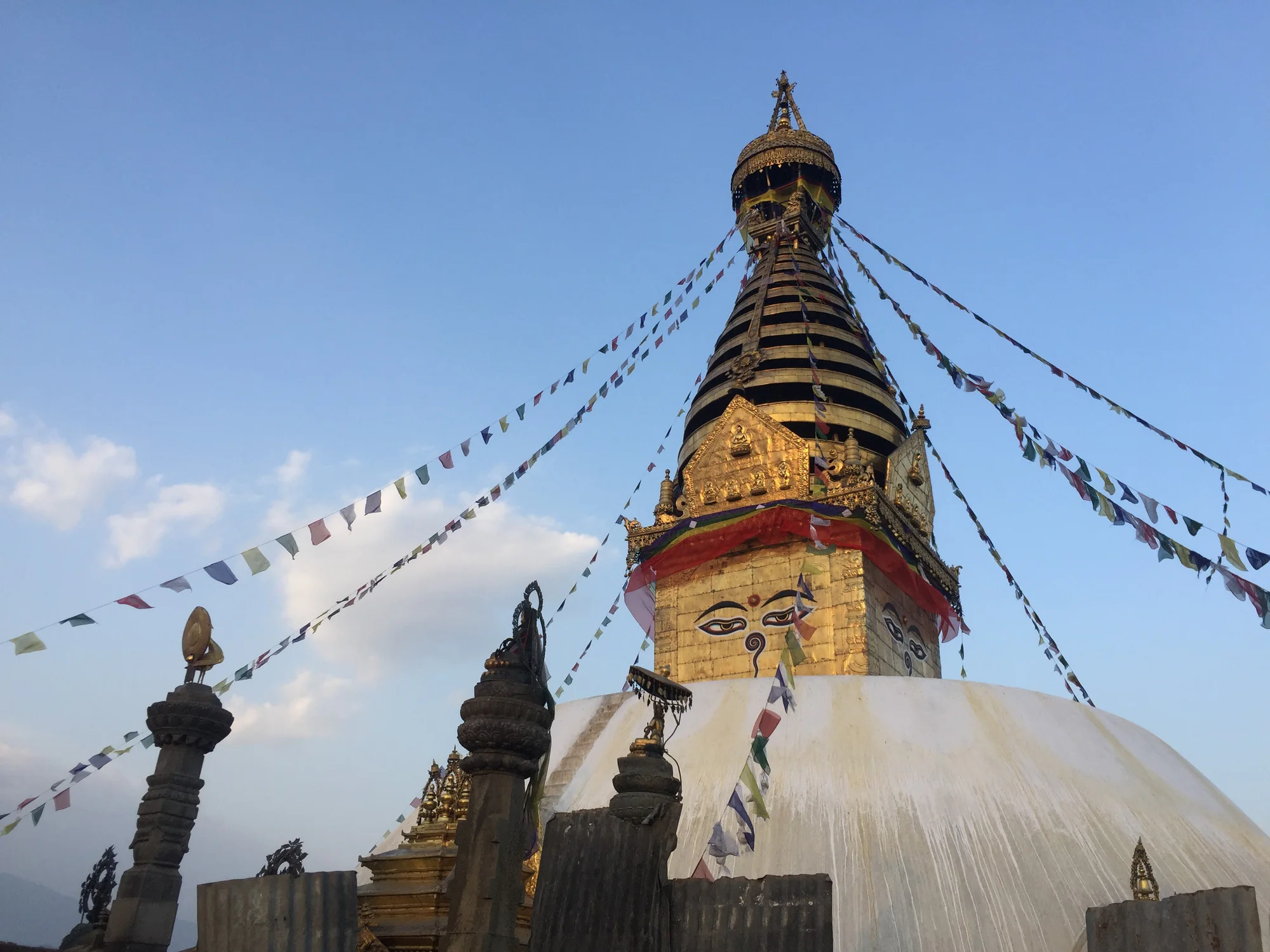
Trek · himalaya
Kanchenjunga Base Camp
A remote journey beneath the world’s third-highest peak, a mountain central to Craig’s own 1989 expedition history.
Ask about this tripIs this a fit?
Know the essentials.
Experience
- Extensive mountaineering experience is not required
- Fitness for a remote, extended high-altitude trek
Included
- Hotels and scheduled tours
- Ground transportation and domestic flights
- Porters and guides
The journey
Kanchenjunga Base Camp
The trek to Kanchenjunga Base Camp is one of Nepal's most beautiful and least-traveled journeys. The area opened to trekkers in 1990 and follows a river valley toward the high villages of Pangpema and the 16,500-foot base camp.
Craig summited Kanchenjunga with the first American team in 1989. Returning with him connects the landscape to the expedition that helped define his mountaineering career.
The gradual valley approach creates time for the wilderness, local traditions, and mountain views without the crowds of the Everest region.
Culture & setting
The journey includes Kathmandu, monasteries, mountain villages, and the culture of eastern Nepal.
Prepare for the journey
Trip details.
Open each section for the practical information that applies to this objective.
Services included4
- Hotels and scheduled tours
- Ground transportation and domestic flights
- Porters and guides
- Meals and group equipment
Services not included6
- International airfare and travel expenses
- Personal gear and excess baggage
- Airport taxes and Nepal entry visas
- Satellite telephone usage
- Costs caused by delays or events outside GoTrek's control
- Medical, evacuation, and trip-cancellation coverage
Experience requirements3
- Extensive mountaineering experience is not required
- Fitness for a remote, extended high-altitude trek
- Guests carry a light day pack while porters or yaks transport the main equipment
Equipment12
- Warm hat, sun hat, sunglasses, high-SPF sunscreen, and lip protection
- Headlamp with spare batteries
- Layered synthetic clothing, fleece insulation, and an insulated jacket
- Waterproof hooded shell and full-length rain pants
- Light gloves plus warmer gloves appropriate to the destination
- Trekking pants, hiking shorts, synthetic base layers, and trekking socks
- Broken-in hiking boots or trekking shoes and comfortable camp shoes
- Sleeping bag appropriate to the destination and season
- Comfortable day pack, duffel bags, travel locks, and waterproof stuff sacks
- Passport, personal medications, water bottles, and adjustable trekking poles
- Two sleeping pads for tented camps
- Additional passport photographs for trekking permits
Preparation notes1
- Spring and late autumn are the principal weather windows for this remote region.