


Expedition · himalaya
Mount Everest
A highly selective summit, Camp One, or Icefall objective supported by Sherpa partners and a guide who first worked in the region in 1985.
Ask about this tripIs this a fit?
Know the essentials.
Experience
- Extensive prior expedition and technical mountaineering experience
- Proficiency with ice axe, crampons, ropes, fixed lines, and steep terrain
Included
- Kathmandu airport transfers and stated hotels
- Welcome dinner and round-trip Lukla flight
- Group camp, climbing, and upper-mountain equipment
The journey
Mount Everest
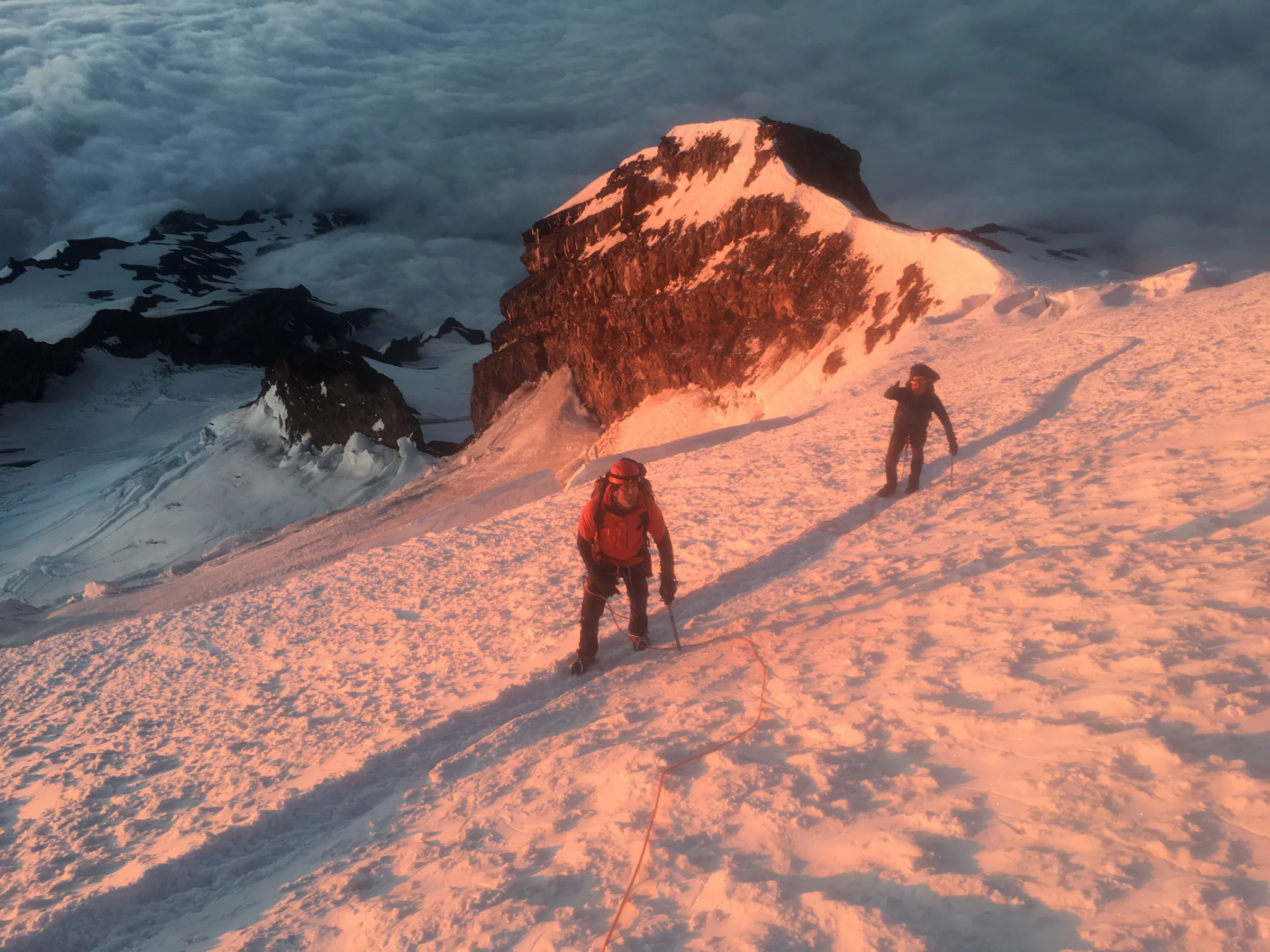
GoTrek has guided in the Mount Everest region since 1985. The program can support a full summit attempt or a more focused climb through the Khumbu Icefall toward Camp One, backed by experienced Sherpa partners and expedition logistics.
This is an extended, serious expedition. Small-team compatibility, health, judgment, acclimatization, weather, and the ability to live well with others under stress are as important as technical skill.
Culture & setting
The approach passes through Sherpa communities and monasteries before reaching base camp, with time in Kathmandu at the beginning of the expedition.
Prepare for the journey
Trip details.
Open each section for the practical information that applies to this objective.
Itinerary6
- Days 1–5Travel to Nepal and fly to Lukla
Arrive in Kathmandu, prepare, then begin the trek from Lukla.
- Days 6–16Trek and acclimatize through the Khumbu
Move through Namche, Phortse, Tengboche, Dingboche, Lobuche, Kala Patthar, and Everest Base Camp.
- Days 17–23Island Peak acclimatization circuit
Use the surrounding valleys and Island Peak area to build strength and acclimatization.
- Days 24–29Base camp and Khumbu Icefall rotation
Rest at base camp, climb toward Camp One, visit the Western Cwm, and descend.
- Days 30–38Return to Kathmandu
Trek back through the Khumbu and fly from Lukla to Kathmandu.
- Summit programWeather-led climbing period
After the early rotations, summit climbers rest and climb when conditions allow. The mountain schedule remains flexible.
Services included7
- Kathmandu airport transfers and stated hotels
- Welcome dinner and round-trip Lukla flight
- Group camp, climbing, and upper-mountain equipment
- Meals while trekking and climbing
- Park fees, climbing permits, and liaison support
- Sherpa climbing staff, camp staff, communications, yaks, and porters
- Oxygen systems for summit climbers
Services not included7
- International airfare and travel expenses
- Kathmandu meals and post-climb hotels
- Personal gear and excess baggage
- Airport taxes, visas, and staff gratuities
- Satellite telephone usage
- Costs caused by delays or events outside GoTrek's control
- Medical, evacuation, and trip-cancellation coverage
Experience requirements5
- Extensive prior expedition and technical mountaineering experience
- Proficiency with ice axe, crampons, ropes, fixed lines, and steep terrain
- Successful high-altitude climbs such as Rainier, Denali, or Aconcagua
- Excellent physical conditioning and a proven ability to contribute to an expedition team
- Capacity to manage the psychological and physical stress of a two-month expedition
Equipment12
- Mountaineering boots, gaiters, and approach shoes
- Synthetic base layers, fleece insulation, insulated parka, and weatherproof shells
- Warm hat, sun hat, sunglasses, goggles, gloves, and insulated mittens
- Expedition backpack or duffels appropriate to the objective
- Ice axe, crampons, harness, helmet, and locking and non-locking carabiners
- Sleeping bag and sleeping pads rated for the expected conditions
- Headlamp with spare batteries, sunscreen, water bottles, and personal first-aid supplies
- Adjustable trekking poles and personal eating utensils
- High-altitude double boots and a full down suit
- Expedition mittens and face protection
- Two cold-weather sleeping bags and two sleeping pads
- Personal repair kit and expedition medications reviewed with a physician
Preparation notes1
- A detailed experience review and private consultation are required before acceptance.